курсы по обустройству дома. как организовать пространство, лайфхаки для дома in 2024: what's changed and what works
Home Organization Courses in 2024: The New Rules for Actually Making Your Space Work
Remember when "home organization" meant buying matching bins from Container Store and calling it a day? Yeah, those days are dead. The home organization course landscape has evolved dramatically, and honestly, it's about time. After spending countless hours researching what's actually working in 2024 versus what's just Instagram-worthy nonsense, I've noticed some pretty significant shifts in how people approach learning to organize their homes.
The pandemic changed everything about how we view our living spaces. Now, with remote work still going strong and people spending 60-70% more time at home than pre-2020, the demand for practical home organization education has exploded. But here's the thing—not all of it is worth your time or money.
1. Micro-Learning Modules Have Replaced Marathon Courses
The 8-week comprehensive home organization course? Dead weight. People don't have time to commit to lengthy programs anymore, and frankly, they don't need to. The most successful courses in 2024 break down into 15-20 minute focused modules. Want to tackle your entryway? There's a specific module for that. Drowning in kitchen gadgets? Another targeted session.
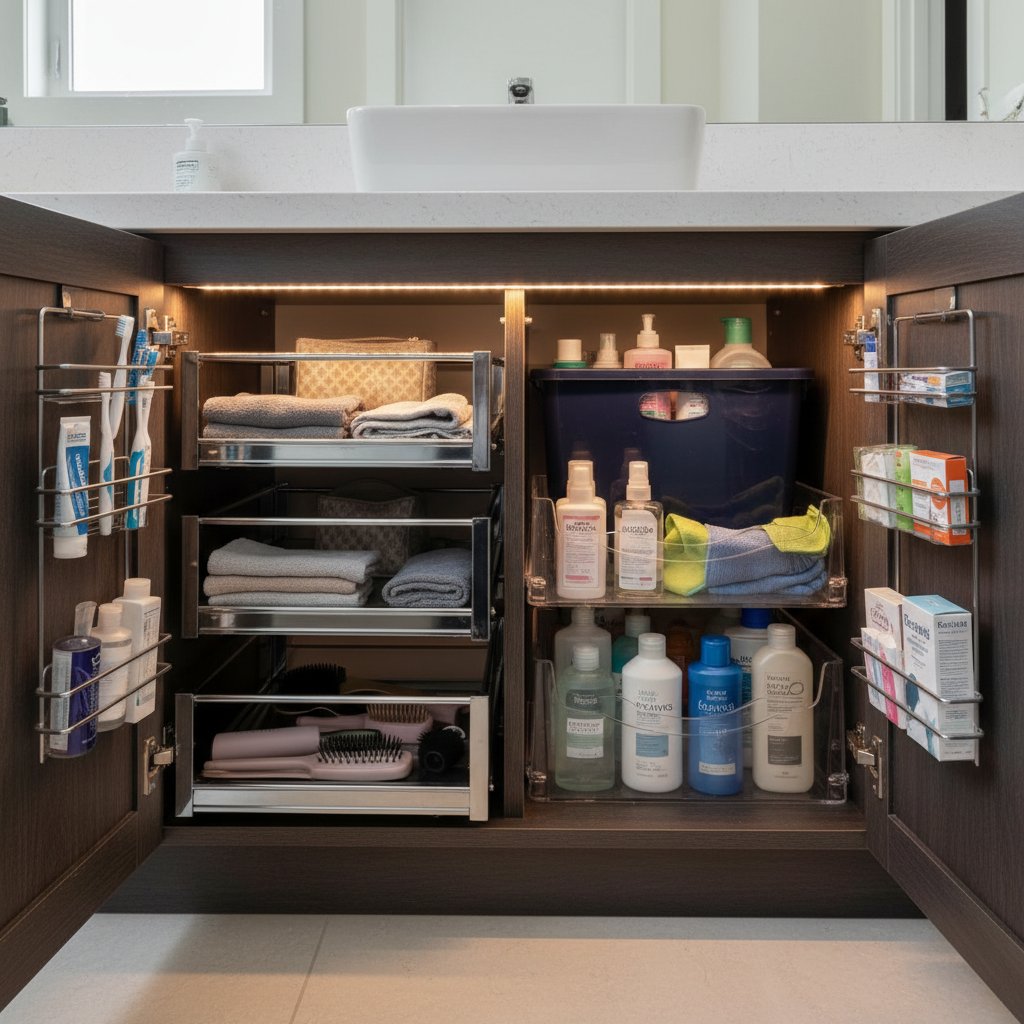
This shift makes perfect sense when you consider attention spans and actual implementation. Students can watch a short lesson on organizing under the bathroom sink, then immediately go do it. The completion rates speak for themselves—micro-learning courses see 73% completion versus the dismal 15% for traditional long-form programs. Plus, you're not paying $400 for content you'll never finish. Most quality micro-courses run $50-150 for targeted solutions.
2. Virtual Room Assessments Are Now Standard (And Actually Useful)
Here's where technology finally caught up with need. Courses now include AI-powered room analysis tools where you upload photos of your space and receive customized recommendations. No more generic advice about "maximizing vertical space" that doesn't account for your 8-foot ceilings or oddly placed windows.
The better programs pair this tech with actual human feedback. You'll submit photos, get an automated analysis within minutes, then have access to a 30-minute consultation with a real organizer who explains why your current setup isn't working. This hybrid approach costs around $200-300, but it beats spending thousands on organizational systems that don't fit your actual space or lifestyle. Companies like Modular Closets and California Closets now offer these assessments as standalone products, proving the model works.
3. The "One In, One Out" Philosophy Has Evolved Into "Seasonal Rotation Systems"
That old decluttering rule everyone parroted? It's been upgraded. Modern organization courses teach rotation systems instead of constant purging. You're not getting rid of your camping gear just because you bought new hiking boots—you're learning to store seasonal items strategically.
The practical approach involves creating three zones: active use (accessed weekly), seasonal rotation (quarterly access), and long-term storage (annual review). This method reduces decision fatigue and works with how people actually live. You'll learn to use apps like Sortly or Encircle to photograph and catalog stored items, so you're not buying duplicate Christmas decorations because you forgot what's in the attic. It's smarter, less wasteful, and acknowledges that sometimes you do need that bread maker—just not in July.
4. Multi-Functional Furniture Design Has Become a Core Curriculum Component
Courses now dedicate entire sections to identifying and implementing furniture that works overtime. We're not talking about those flimsy storage ottomans that collapse after three months. The focus is on understanding load-bearing capacity, hidden storage mechanics, and actually measuring your space before buying anything.
Students learn to calculate whether a Murphy bed will save space or just create a $3,000 headache. They're taught to identify quality transforming furniture versus junk that looks good in TikTok videos. The best courses include vendor databases with tested products, including realistic pricing. Expect to invest $1,500-5,000 for quality multi-functional pieces, but you'll know exactly what you're getting and why it works for your square footage.
5. Digital Clutter Management Is Finally Getting Equal Attention
Plot twist: your physical space is only half the problem. The most forward-thinking 2024 courses address digital organization with the same intensity as closet systems. Your 47,000 unread emails and desktop chaos affect your mental space just as much as physical clutter.
These modules teach cloud storage architecture, password management systems, and digital photo organization that doesn't require a computer science degree. You'll learn to use tools like Notion or Airtable to create home management dashboards—tracking everything from appliance warranties to paint colors. One course I reviewed included a complete digital inventory system that takes about 4 hours to set up but saves an estimated 200 hours annually in searching for information.
6. Maintenance Routines Beat One-Time Overhauls
The Marie Kondo-style weekend purge? Still useful, but courses now emphasize sustainable daily habits over dramatic transformations. You'll learn the "10-minute reset" technique for each room and how to build organization into existing routines rather than treating it as a separate chore.
The data backs this up: homes that implement 10-15 minute daily maintenance routines stay organized 89% longer than those relying on monthly deep cleans. Courses teach habit stacking—attaching organization tasks to things you already do. Unloading the dishwasher? That's when you also clear the counter. Brushing your teeth? Perfect time to return three items to their proper places. These aren't revolutionary concepts, but having structured lessons on implementation makes them actually stick.
7. Budget-Conscious Solutions Have Moved From Afterthought to Priority
Finally, courses are acknowledging that not everyone has unlimited funds for custom built-ins. The best 2024 programs include specific budget tiers—under $100, $100-500, and $500+ solutions for the same organizational challenge.
You'll see comparisons like: tension rods and shower curtains for closet dividers ($25) versus modular closet systems ($800) versus custom carpentry ($3,000+). Each option is presented with longevity expectations, installation difficulty, and actual before-and-after results. This transparency helps you make informed decisions based on your financial reality, not some influencer's sponsored content.
The home organization education space has grown up. It's less about aesthetic perfection and more about functional systems that match how you actually live. Whether you're working with 400 square feet or 4,000, the right course can save you hundreds of hours and thousands of dollars in wrong purchases. Just skip anything promising "life-changing transformations in 30 days"—real organization is built on sustainable systems, not magical thinking.